

How Cold Weather Health Effects Can Change Daily Life
Cold mornings can leave you with dry skin, stiff muscles, less motivation to exercise, or a cough that seems worse outdoors. For some people, colder temperatures are simply uncomfortable. For others, they can aggravate existing health problems or create genuine safety concerns.
Understanding cold weather health effects can make winter easier to manage. Temperature, humidity, wind, indoor heating, activity levels, and individual health conditions can all influence how your body responds to colder weather.
From protecting your skin and lungs to maintaining physical activity and recognizing signs of cold-related illness, a few practical habits can make a meaningful difference.
Why Cold Weather Can Affect the Body
Your body constantly works to maintain a stable internal temperature. When the surrounding temperature falls, the body responds by reducing heat loss and increasing heat production. Shivering is one familiar example.
Cold exposure becomes more concerning when the body loses heat faster than it can replace it. Prolonged exposure can lead to hypothermia, while freezing conditions can cause frostbite. Importantly, cold-related problems are not limited to extremely icy environments. Being wet from rain, sweat, or cold water can increase heat loss even when temperatures are above freezing.
Individual responses also vary. Older adults, babies, people who spend long periods outdoors, and people without adequate heating or protective clothing can face greater risks. Certain medical conditions can also make cold exposure more difficult to manage.
Cold Weather Health Effects on Breathing
One of the most noticeable winter changes can be how your airways feel.
Cold air is often dry, and breathing it can irritate the airways. This may be especially noticeable during outdoor exercise because physical activity increases the amount of air moving through the respiratory system. People with asthma or other chronic lung conditions may be more sensitive to these effects.
You might notice:
- A dry or irritated throat
- Coughing
- Temporary chest discomfort
- Wheezing
- Shortness of breath during exertion
Cold weather itself does not mean that someone will develop a respiratory illness. Winter also tends to involve more time indoors, where people may have closer contact with others and increased exposure to indoor irritants or respiratory viruses.
Making outdoor breathing more comfortable
If cold air bothers your breathing, consider covering your nose and mouth loosely with a scarf or similar protective layer. This can help warm and humidify the air before it reaches your airways.
If you have asthma, COPD, or another respiratory condition, follow the management plan provided by your healthcare professional. Do not change prescribed medication because of weather without discussing it with the appropriate clinician.
New, severe, or persistent breathing difficulty deserves medical attention rather than being automatically attributed to cold weather.
Your Skin May Become Drier and More Irritated
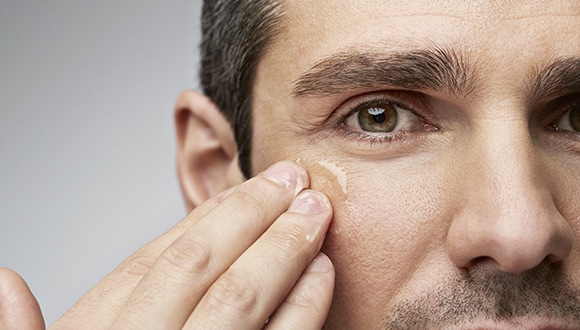
Winter can be tough on the skin. Cold outdoor air, low humidity, wind, and indoor heating can all contribute to dryness.
You may notice:
- Tight or rough skin
- Flaking
- Chapped lips
- Dry hands
- Increased sensitivity
- Cracks around particularly dry areas
A simple winter skin-care routine can help reduce discomfort. Use a gentle cleanser, avoid excessively hot showers, and apply a moisturizer regularly, particularly after washing.
Protect exposed skin from cold wind with appropriate clothing. When spending extended periods outdoors in very cold conditions, pay particular attention to the fingers, toes, ears, cheeks, nose, and chin because these areas are vulnerable to frostbite.
If skin becomes numb or develops an unusual white, grayish-yellow, firm, or waxy appearance after cold exposure, get out of the cold and seek medical advice promptly. These can be warning signs of frostbite.
Cold Temperatures Can Make Exercise Feel Different
Shorter days and uncomfortable temperatures can make it tempting to abandon your normal exercise routine. However, winter does not automatically mean you need to stop being active.
The goal is to adapt rather than become completely inactive.
Try moving workouts indoors when outdoor conditions are unpleasant or unsafe. Walking inside, strength exercises, stretching, home-based workouts, or indoor fitness activities can help maintain regular movement.
If you prefer exercising outdoors, dress in layers and allow yourself time to warm up. Avoid becoming excessively sweaty because wet clothing can increase heat loss when you remain in a cold environment.
People with asthma or chronic lung disease may need additional precautions because cold, dry air can aggravate respiratory symptoms during exercise.
Your fitness level and medical history matter, so a routine that is comfortable for one person may not be appropriate for another.
Cold Weather and Heart Health
Cold weather can place additional demands on the cardiovascular system. The CDC notes that cold conditions can put extra strain on the heart, particularly during strenuous outdoor work such as snow removal. People with heart disease or high blood pressure should follow their healthcare professional’s advice before undertaking demanding activity in very cold conditions.
This does not mean that everyone should avoid winter exercise. Instead, consider the intensity and conditions.
For example, someone who normally takes a gentle walk may tolerate that activity differently from someone attempting vigorous outdoor work for an extended period. Warming up, dressing appropriately, taking breaks, and avoiding sudden excessive exertion can be sensible precautions.
If physical activity causes significant chest pain, severe shortness of breath, fainting, or other concerning symptoms, stop and seek appropriate medical care.
Winter Can Disrupt Sleep and Daily Energy
Cold weather can indirectly affect sleep and energy.
Changes in daylight hours can alter daily routines, while staying indoors more often can reduce normal daytime activity. Some people also find that cold bedrooms, excessive indoor heating, or changes to their usual schedule interfere with comfortable sleep.
A consistent routine can help. Try to keep regular sleeping and waking times, maintain a comfortable bedroom temperature, and get appropriate daytime light and physical activity.
Mood can also be affected by seasonal changes. Feeling less motivated during darker, colder months can happen for many reasons, but persistent low mood, loss of interest in normal activities, major changes in sleep or appetite, or difficulty functioning should not simply be dismissed as “winter blues.” Speaking with a qualified healthcare professional can help determine whether additional support is appropriate.
Nutrition and Hydration Still Matter in Winter
Cold weather does not eliminate the body’s need for fluids or balanced nutrition.
People sometimes drink less water during winter because they do not feel as thirsty as they do in hot weather. Keeping water available throughout the day can make hydration easier.
Meals can also be built around familiar nutritious foods rather than relying heavily on highly processed comfort foods. Soups, stews, vegetables, fruit, whole grains, beans, eggs, fish, dairy or suitable alternatives, nuts, and other protein-rich foods can all fit into a balanced eating pattern.
There is no single “winter diet” that works for everyone. Nutritional needs vary with age, activity, health conditions, dietary preferences, and other individual factors.
If you have a condition requiring a specific diet, discuss seasonal dietary changes with a qualified healthcare professional or registered dietitian.
Preventing Hypothermia and Frostbite
For most people, everyday winter discomfort is manageable. However, prolonged exposure can become dangerous.
Hypothermia occurs when the body loses heat faster than it can produce it. Warning signs can include shivering, exhaustion, confusion, fumbling hands, memory problems, slurred speech, and drowsiness.
Frostbite is a freezing injury that commonly affects exposed areas such as the fingers, toes, ears, nose, cheeks, and chin. Numbness, unusual skin color, or skin that feels firm or waxy can be warning signs.
Practical ways to reduce cold-related risk
When temperatures are very low:
- Wear several loose layers rather than relying on one heavy garment.
- Keep your hands, feet, head, and exposed face protected.
- Choose weather-resistant footwear and outer clothing when conditions are wet.
- Change out of wet clothing promptly.
- Take regular breaks in a warm environment if you must remain outside.
- Do not ignore persistent shivering.
- Avoid excessive alcohol use during cold exposure, as it can impair judgment and increase risk.
These precautions are particularly important for people who work outdoors or spend many hours outside. Cold stress can contribute to several cold-related illnesses, including hypothermia, frostbite, trench foot, and chilblains.
Who May Need Extra Winter Precautions?
Cold weather does not affect everyone in the same way. Extra planning may be appropriate for:
- Older adults
- Infants and young children
- People with asthma or chronic lung conditions
- People with heart disease or high blood pressure
- Outdoor workers
- People who spend extended periods outside
- People living in homes without reliable heating
- People with mobility limitations or other circumstances that make it difficult to get warm quickly
The appropriate precautions depend on the person’s circumstances. Information available through resources such as Health Carebin can be useful for general health education, but personal medical concerns should be discussed with a qualified professional.
A Simple Winter Health Routine
You do not need a complicated plan to protect your everyday health during colder months.
Start with the basics:
Protect your body: Dress appropriately for the temperature and keep exposed skin covered during prolonged cold exposure.
Keep moving: Maintain regular physical activity, moving workouts indoors when outdoor conditions are unsuitable.
Support your lungs: Pay attention to coughing, wheezing, chest tightness, or unusual shortness of breath, particularly if you already have a respiratory condition.
Look after your skin: Moisturize dry areas and protect your hands, lips, and face from cold, wind, and excessive dryness.
Eat and drink regularly: Maintain a balanced eating pattern and remember that hydration remains important in winter.
Prioritize sleep: Keep your sleep schedule consistent and make your bedroom comfortable rather than excessively cold or overheated.
Know the warning signs: Confusion, severe drowsiness, persistent shivering, numb or unusually discolored skin, and serious breathing problems require prompt attention rather than home experimentation. Hypothermia is a medical emergency.
Conclusion
Cold weather can influence much more than comfort. It can affect breathing, skin, exercise habits, cardiovascular strain, sleep, mood, and the body’s ability to maintain a safe temperature.
The most useful approach is preparation. Dress appropriately, stay active in ways that suit the conditions, protect your skin and airways, maintain nutritious eating and hydration habits, and pay attention to warning signs.
Your age, fitness level, medical history, medications, living conditions, and daily activities can all change what is appropriate. If cold weather consistently worsens symptoms or you have an existing health condition that may be affected by temperature, discuss your individual situation with a qualified healthcare professional.
Popular Posts
 Everyday Outfit Inspiration: Simple Style Ideas That Always Work
 Chisaisangue: Meaning, Origins, Cultural Context, and Modern Interpretations
 Who Is Ubyhojytera Opponent? Full Explanation & Truth Revealed
 Can vallpo523.zvc5.0o Improve Your Skin or Cause Damage
 Finding Out 30.6df496–j261x5 in Cooking: A Curious Kitchen Discovery
 Beyond Beauty: How Cosmetic Surgery Boosts Confidence and Self-Esteem
 Facing Charges in LA? What a Los Angeles Criminal Lawyer Can (and Can’t) Do for You
- The Timeless Beauty of Toi et Moi Ring NZ with Lab Diamonds
 The Charm of Gota Patti Work on Lehenga Sets for Girls
Prince Andrew: The Latest Developments and Controversies
Recent Posts
 Lab Grown Diamonds London How to Choose the Right Stone
  Toi et Moi Ring A Romantic Design That Never Goes Out of Style
 How to Style Jewelry with Everyday Outfits: A Complete Guide to Effortless Elegance
 Lab Grown Diamond Earrings: A Smart, Stylish, and Sustainable Choice
 Budget-Friendly Pearl Sets: How to Find Real Quality Under 100 Euro
 Lab Grown Diamond Bracelets: Sustainable Luxury and Sparkle in Spain
 14K Gold Art Deco Cufflinks with Diamonds and Sapphires: Vintage 1920s Jewelry Guide
 Engagement Rings in Brisbane: A Thoughtful Guide for Modern Couples
- Best Practices for Implementing a Knowledge Management System in Your Organization
 Effortless Elegance: Sparkling Earrings Styling Hacks for Every Season!
Must Read
 Why Maternity Tops Ride Up (And What Actually Fixes It)
 What to Look for Before You Buy Cotton Fabric in Bulk
 Shopping for Plus Size Wedding Dresses: Top Styles for Your Big Day
 Ethical swimwear brands to watch: why Festa Foresta stands out
 Women Pajamas: Combining Comfort and Style
 Redefining Sensuality: The Intriguing Allure of Pink Camo Lingerie
 Prom Dresses for the Perfect Evening | Amarra
 All About Raw Looks – Their Designers and Trends in the Fashion Industry
 Different Type Of Fabrics Available For Your Dress Making
 How To Choose The Perfect Tie For Men