


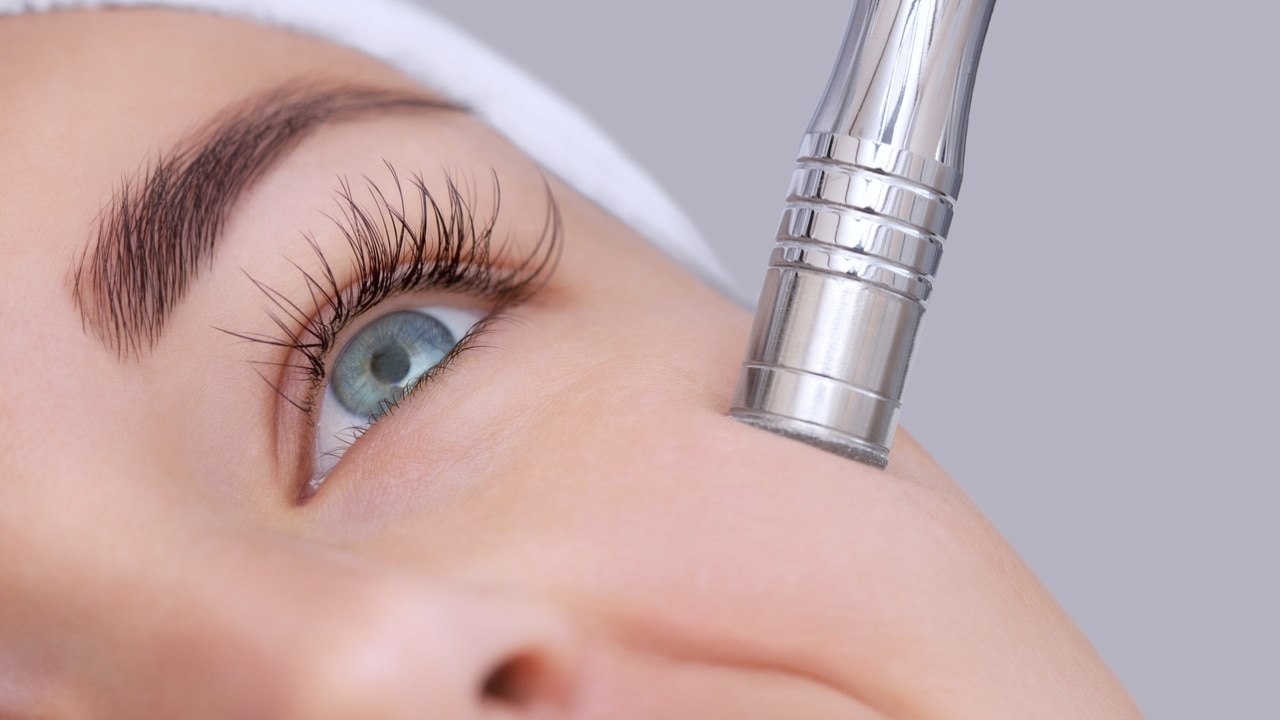

I’ll be honest: I used to think microdermabrasion was one of those fancy treatments you only booked before a wedding or a big event — the kind where you walk out of the salon glowing but also a little terrified to check your bank balance. For years, I figured it was a strictly “professional-only” thing. You know, like balayage or tax returns.
But a few months ago, after staring at my skin on a particularly unforgiving Zoom call, I started wondering if there was something simple I could do at home to bring back a bit of brightness. That’s when a friend mentioned at home microdermabrasion, and I remember thinking, “Surely that can’t be the same as the salon version?”
Well… turns out I was wrong. And pleasantly so.
If you’ve been curious about this whole trend — or maybe you’ve seen the gadgets floating around on Instagram — let me walk you through what I’ve learned. Not as a dermatologist or a beauty guru, but as a regular person who just wanted her skin to look a little less tired.
What Actually Is Microdermabrasion?
Microdermabrasion sounds scarier than it is. There are no needles, no acids dripping down your face, and no harsh downtime. Imagine a tiny handheld wand that very gently buffs away the surface layer of dead skin while also suctioning away debris. Kind of like a super-gentle sandblaster… but, you know, for your face.
Professionals have used it for years to help with:
- Dull or uneven texture
- Fine lines
- Congested pores
- Mild acne scarring
- Skin that just feels a bit blah
I never realised just how much dead skin builds up until I started seeing (and feeling) the difference. You might not know this, but your skin sheds constantly. When those cells hang around longer than they should, everything looks a bit muted — like you’re wearing a filter you didn’t ask for.
The Rise of the Home Devices
Now, here’s where things get interesting. These days, you can actually get tools designed to replicate the professional microdermabrasion experience right in your bathroom. A few years ago I would’ve rolled my eyes at this, but after trying a few, I can say some home devices genuinely do a solid job — especially if you’re consistent.
One of the more popular options people talk about is the PMD device. If you’re curious, you can actually explore how at home microdermabrasion works using a tool like this here:
I like mentioning it because when I was researching all this, I wanted someone to just show me an example instead of speaking in beauty-industry riddles.
My First Attempt: Mild Panic, Then Pleasant Surprise
The first time I tried a home microderm device, I was absurdly cautious. I kept checking the instructions like I was assembling IKEA furniture.
But the process was surprisingly easy:
- Clean skin.
- Choose the right disk (they usually come in levels).
- Glide the device quickly across the skin — never holding it in one spot.
- Moisturise like your life depends on it.
I expected redness, or irritation, or maybe to look like a tomato for the rest of the night. But honestly? My face just looked a bit flushed for about ten minutes. Then… smoother. Bright enough that I kept touching my cheekbones thinking, “Is this real?”
The real magic happened after about three weeks of weekly treatments. My makeup went on smoother. My forehead lines looked softer. Even the little bumps on my jaw — I get them every summer — calmed down.
But Don’t Expect Salon-Level Results Overnight
Let me set one thing straight: at-home microderm devices are strong enough to make a visible difference, but they’re not meant to be as intense as a professional machine. And that’s actually a good thing — especially for beginners.
Professionals are trained to use more powerful equipment and know exactly how much pressure and suction your skin can handle. At-home tools (the good ones, anyway) are designed to be safe for regular use without the risk of overdoing it.
Think of it as the difference between getting a professional car detail versus washing your car weekly at home. The big service gives you the wow factor, but the regular upkeep keeps everything looking good long-term.
Who Benefits Most from At-Home Microdermabrasion?
I’ve been chatting with friends about this, and the biggest fans tend to be people who:
- Have dry or flaky skin
- Struggle with uneven texture
- Want their skincare to absorb better (it genuinely helps)
- Feel like their complexion is a bit dull
- Love a simple routine with visible payoff
If your skin is extremely sensitive, reactive, or you’re dealing with medical skin conditions, it’s always best to check with a professional first. But most people with normal to combination skin seem to adapt pretty well.
A Few Tips I Wish Someone Told Me Earlier
You know how sometimes you try something new and think, “Why didn’t anyone warn me about this part?” That was me. So here’s what I learned:
1. Don’t use it the night before a big event.
Your skin needs a little time to settle. I prefer doing it two nights before something important.
2. Moisturiser becomes your new best friend.
After microdermabrasion, your skin drinks up product like never before. I noticed my serums suddenly felt more effective.
3. Stay away from retinol for a day or two.
Trust me on this one. Retinol + freshly exfoliated skin = not fun.
4. Consistency beats intensity.
You’ll see more progress using a device weekly than going too hard once.
How It Fits Into a Simple Home Routine
I’m a big fan of uncomplicated skincare. I don’t have the patience for 12 steps or waiting ten minutes between layers. A typical microderm night for me looks like:
- Cleanse
- Use the device
- Apply hyaluronic acid
- Seal with a nourishing night cream
- Drink a ridiculous amount of water and feel proud of myself
That’s it. Honestly, it’s one of the easiest “self-care” routines I’ve ever added into my life — and one that actually shows results.
Is It Worth the Investment?
Everyone has their own threshold for what’s “worth it,” but here’s how I see it:
- A single professional microdermabrasion session can cost anywhere from $80–$150+ in Australia.
- A home device is usually the cost of two or three salon visits.
- You can reuse it weekly for years.
Financially? It made sense for me.
But more than that, I really enjoy the ritual of doing it myself. There’s something oddly satisfying about taking five minutes to buff away the week — especially if you’ve been feeling a bit run-down or dull.
The Bottom Line (Well… Not Really a Bottom Line, More Like a Friendly Nudge)
If you’ve been curious about microdermabrasion but haven’t been ready to book a professional treatment, trying at home microdermabrasion might be a surprisingly rewarding middle ground. It’s simple, it’s quick, and it genuinely makes your skin feel fresher — like it’s finally breathing again.
And if you’re the kind of person who likes having a clear idea of what you’re getting into, checking out examples of tools (like the PMD Personal Microderm linked earlier) can give you a better sense of whether it suits your routine.
A Quiet Little Reminder Before You Go
Your skin doesn’t need to be perfect. None of ours are. But if you’re looking for a straightforward way to brighten things up, or you just want your skincare products to actually work, this is one of those small habits that can make a surprising difference over time.
Try it gently, be patient, and enjoy that subtle glow when it arrives — because there’s something really nice about looking in the mirror and thinking, “Yeah… that looks like me, but a little more refreshed.”
If you’d like me to craft more articles like this — different tone, different angle, different style — just let me know.