


Introduction
Watches have always been more than just time-telling devices; they are an embodiment of craftsmanship and elegance. The precise functioning of these intricate timepieces depends on the seamless collaboration of numerous components. In the realm of watchmaking, the significance of watch parts supply cannot be overstated. This article delves into the world of watch parts supply, exploring its importance, key components, sourcing strategies, and the impact of technological advancements on this essential aspect of horology.
Why Watch Parts Supply Matters
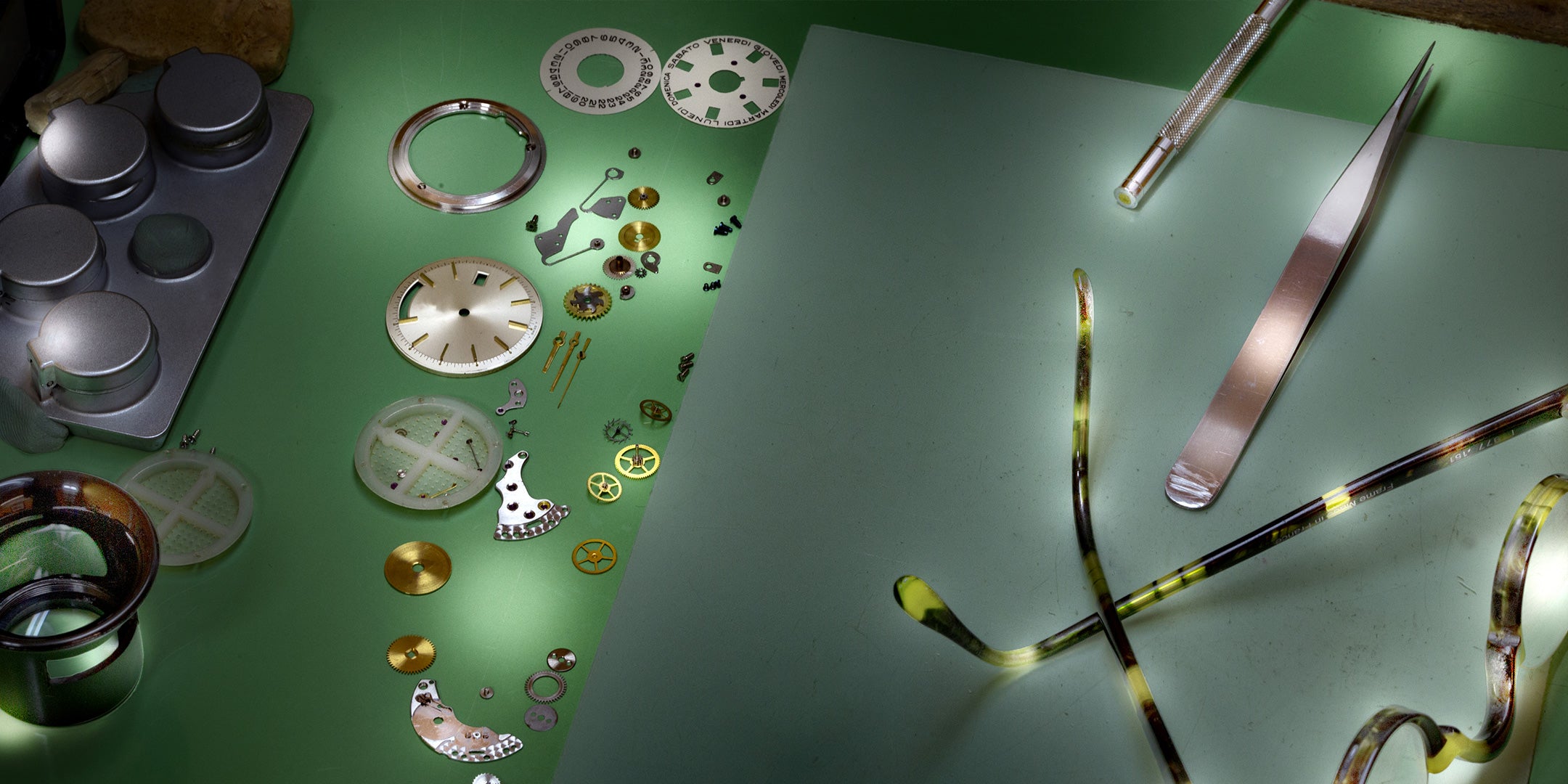
Behind the seamless operation of a wristwatch lies an intricate network of tiny cogs, springs, gears, and other components, all working together harmoniously. When a watch requires repair or servicing, having a reliable and efficient supply chain for watch parts becomes crucial. Whether it’s a vintage masterpiece or a contemporary marvel, maintaining an extensive and accessible inventory of watch parts ensures that watchmakers and repairers can deliver exceptional service to their customers.
Key Components in Watchmaking
- Movements: The heart and soul of a watch, movements are the mechanisms that drive its functionality. There are three primary types of watch movements: mechanical, automatic, and quartz. Each requires specific components for optimal performance.
- Dials and Hands: The watch face, also known as the dial, serves as the visual representation of time. The hands are responsible for indicating hours, minutes, and seconds.
- Bezels: Bezels are the rings surrounding the watch face, providing aesthetic appeal and housing additional functionalities like tracking elapsed time or calculating distance.
- Crystals: Watch crystals are transparent covers that protect the dial and hands. Common materials include acrylic, mineral glass, and sapphire.
- Crowns: The crown is a small knob used for setting the time and date or winding the watch.
- Straps and Bracelets: Watch straps or bracelets are essential for wearing the timepiece comfortably. They can be made from various materials such as leather, metal, rubber, or fabric.
Sourcing Strategies for Watch Parts


For watchmakers and manufacturers, sourcing the right components is a crucial aspect of producing exceptional timepieces. Here are some effective sourcing strategies for watch parts:
- Establishing Relationships with Suppliers: Building strong relationships with trusted suppliers ensures a steady and reliable flow of quality watch parts.
- Quality Control and Certification: Prioritizing suppliers who adhere to strict quality control standards and offer certified components guarantees the longevity and accuracy of the timepieces.
- Diversification: Relying on multiple suppliers for critical components mitigates the risk of disruptions in the supply chain and allows for negotiation on prices and terms.
- Adapting to Technological Changes: Embracing technological advancements in manufacturing and sourcing processes can lead to cost savings and improved efficiency.
The Impact of Technology on Watch Parts Supply
The watchmaking industry has witnessed significant transformations with the integration of cutting-edge technologies. Some ways technology has impacted watch parts supply include:
- 3D Printing: Additive manufacturing has revolutionized the production of prototypes and rare components, making them more accessible and cost-effective.
- Supply Chain Management Software: Advanced software solutions have streamlined inventory management, order processing, and shipment tracking for watch parts suppliers.
- E-commerce Platforms: Online marketplaces have facilitated easier access to a wide array of watch parts, enabling watchmakers to explore numerous options without geographical constraints.
- Blockchain in Authentication: Blockchain technology is being utilized to verify the authenticity of luxury watch components, curbing the proliferation of counterfeit products.
Conclusion
In the realm of horology, the intricate world of watch parts supply forms the backbone of exceptional timekeeping devices. Whether it’s the delicate movements, elegant dials, sturdy bezels, or comfortable straps, each component plays a pivotal role in crafting a masterpiece. For watchmakers and repairers, establishing robust sourcing strategies and embracing technological advancements can elevate their craft and delight their customers.