


Introduction: Sparking Curiosity
Have you ever marveled at the dazzling beauty of diamonds but hesitated due to their hefty price tags? Or perhaps you’re intrigued by the idea of a gemstone that rivals diamonds in brilliance and durability but at a more accessible price point. If so, allow us to introduce you to the world of moissanite. In this article, we’ll delve into the captivating realm of moissanite, exploring its origins, properties, ethical considerations, and why it’s becoming an increasingly popular choice for discerning jewelry enthusiasts.

1. The Origin Story of Moissanite
Discovery in the Stars
In 1893, French chemist Henri Moissan discovered tiny crystals of what he initially mistook for diamonds in a meteorite crater in Arizona. Further analysis revealed that these crystals were composed of silicon carbide, a compound that would later be named moissanite in honor of its discoverer.
Laboratory Creation
While moissanite occurs naturally in minute quantities, the majority of moissanite available in the market today is lab-created. Through advanced technological processes, scientists are able to replicate the conditions necessary for moissanite formation, resulting in gem-quality crystals that rival their natural counterparts.
2. The Allure of Moissanite
Unrivaled Brilliance
One of the most striking features of moissanite is its exceptional brilliance. With a refractive index higher than that of diamonds, moissanite exhibits an incredible sparkle that captures the light and reflects it with mesmerizing intensity.
Remarkable Hardness
Despite its breathtaking beauty, moissanite is also renowned for its durability. Ranking 9.25 on the Mohs scale of hardness, moissanite is second only to diamonds in terms of hardness, making it highly resistant to scratching and suitable for everyday wear.
Ethical Considerations
For conscientious consumers concerned about the ethical implications of diamond mining, moissanite presents an appealing alternative. Unlike diamonds, which are often associated with environmental damage and unethical labor practices, moissanite is typically sourced through sustainable and ethical means.
3. Embracing Moissanite in Jewelry
Bridal Beauty
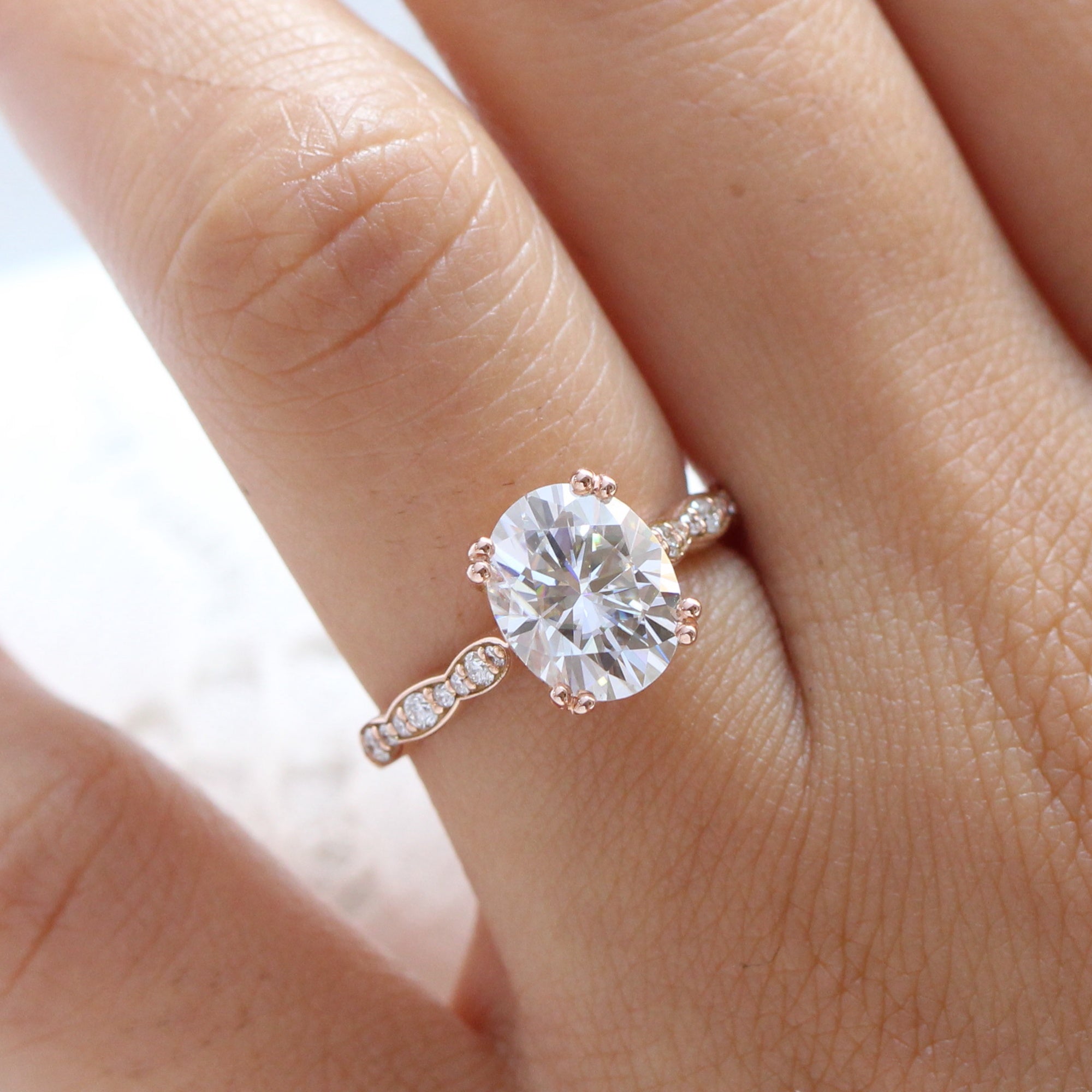
As couples seek unique and budget-friendly alternatives to traditional diamond engagement rings, 모이사나이트 has emerged as a popular choice. Its stunning appearance and affordability make it an ideal option for those looking to make a statement without breaking the bank.
Versatile Elegance
Beyond engagement rings, moissanite is also finding its way into a variety of other jewelry pieces, including earrings, necklaces, and bracelets. Its versatility and affordability make it a favorite among jewelry designers and enthusiasts alike.
4. Conclusion: Shining Brighter Together
As we’ve explored the captivating allure of moissanite, it’s clear that this gemstone is more than just a diamond alternative – it’s a symbol of innovation, beauty, and ethical consciousness. Whether you’re drawn to its dazzling brilliance, remarkable durability, or sustainable origins, moissanite offers a compelling choice for those seeking elegance and sophistication without compromise. So why not elevate your jewelry collection with the brilliance of moissanite and shine brighter together?
This article aims to provide readers with a comprehensive understanding of moissanite, from its fascinating origins to its practical applications in jewelry design. By exploring its unique properties lab created diamonds, ethical considerations, and growing popularity, we hope to inspire curiosity and appreciation for this remarkable gemstone.