


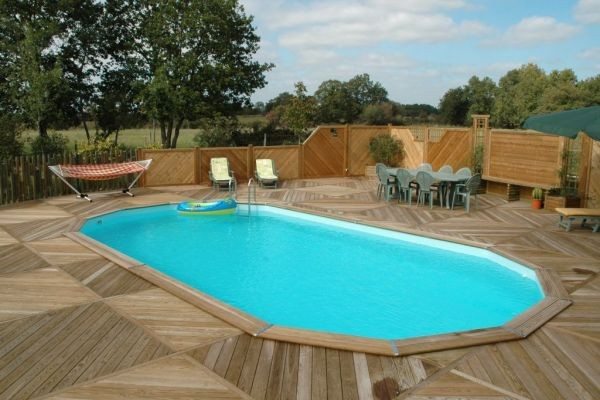
In the realm of plan, workmanship, and engineering, the oval shape has held a position of differentiation for quite a long time. This flexible structure, described by its lengthened ebb and flow, has been embraced across different areas for its stylish allure and useful advantages. This article digs into the bunch utilizations of the oval shape, investigating its authentic importance, contemporary purposes, and one of a kind qualities that put it aside.
The Verifiable Meaning of the Oval Shape
The oval shape has profound authentic roots, with its use following back to antiquated human advancements. In traditional engineering, the oval was many times utilized in the plan of amphitheaters and theaters. The plan of the Roman Colosseum, with its circular structure, is a great representation of how the oval shape worked with better acoustics and sightlines. This shape took into consideration ideal guest plans, guaranteeing that observers had an unhampered perspective on the performances.
Likewise, the Florid time frame saw a resurgence of the oval shape, conspicuously utilized in the terrific plans of royal residences and nurseries. The Versailles Nurseries in France grandstand the polish of the oval Forma Ovalada, with its balanced plan and streaming bends making an agreeable and outwardly engaging space.
The Tasteful Allure of Oval Shapes
Style and Amicability
One of the essential reasons the oval shape is so dearest in plan is its intrinsic polish and agreement. Dissimilar to the inflexible lines of square shapes and squares, the oval’s persistent bend makes a feeling of ease and beauty. This pursues it a famous decision in inside plan for components like feasting tables, mirrors, and floor coverings. Oval tables, for instance, are leaned toward for their capacity to make a gentler, seriously welcoming climate, frequently causing spaces to feel bigger and more open.
Flexibility in Plan
The oval shape’s flexibility is one more justification for its broad use. It can consistently squeeze into both current and conventional plan plans. In contemporary insides, oval shapes are frequently integrated into moderate plans, where their effortlessness and smooth bends give a striking difference to additional precise structures. On the other hand, in additional exemplary settings, oval shapes can add a dash of complexity and refinement, mixing consistently with lavish subtleties and elaborate style.
Applications in Design
Structural Marvels
Compositionally, the oval shape is commended for its capacity to make staggering and utilitarian spaces. The utilization of oval structures in structures and designs considers a more powerful and drawing in spatial experience. For example, the Farnese Theater in Italy, with its oval plan, shows the way that the shape can improve both stylish allure and usefulness. The oval shape here guarantees that each seat has a reasonable perspective on the stage, outlining the functional advantages of this plan decision.
Metropolitan Preparation
In metropolitan preparation, the oval shape is in many cases utilized in the plan of public spaces like parks and squares. The Focal Park in New York includes a few oval-molded regions that add to its general stream and usefulness. These spaces give regions to unwinding and diversion while keeping a feeling of progression and coordination with the recreation area’s regular scene.
The Oval Shape in Furniture Plan
Practical Advantages
In furniture plan, the oval shape offers a few practical advantages. For feasting tables, the shortfall of sharp corners works with simpler development around the table, making it ideal for spaces where individuals habitually accumulate. This additionally upgrades security, especially in conditions with small kids or high pedestrian activity.
Visual Allure
The visual allure of oval furniture pieces, for example, foot stools and bed outlines, lies in their capacity to relax the general look of a room. The delicate bends of oval furniture pieces make a feeling of equilibrium and extent, supplementing other plan components and adding to a durable and tastefully satisfying climate.
The Oval Shape in Craftsmanship
Imagery and Significance
In craftsmanship, the oval shape is frequently used to convey imagery and significance. Numerous exemplary representations are outlined in oval shapes, as this structure causes to notice the subject’s face and adds a hint of polish to the craftsmanship. The utilization of the oval shape in these representations features the subject as well as upgrades the general structure, making an outwardly striking and agreeable impact.
Creative Articulation
Craftsmen likewise use the oval shape in different types of imaginative articulation. The Extravagant and Ornate periods, for example, saw the utilization of oval pieces to make sensational and dynamic enhanced visualizations. The shape’s capacity to casing and spotlight consideration on specific components makes it an important device in both conventional and contemporary works of art.
Conclusion
The oval shape is something beyond a mathematical structure; it is an image of class, flexibility, and usefulness. Its rich history, tasteful allure, and commonsense applications across lab diamonds spaces highlight its importance and persevering through ubiquity. From building wonders and public spaces to furniture plan and creative articulation, the oval shape proceeds to enthrall and motivate, demonstrating its ageless importance in the realm of plan and then some.