


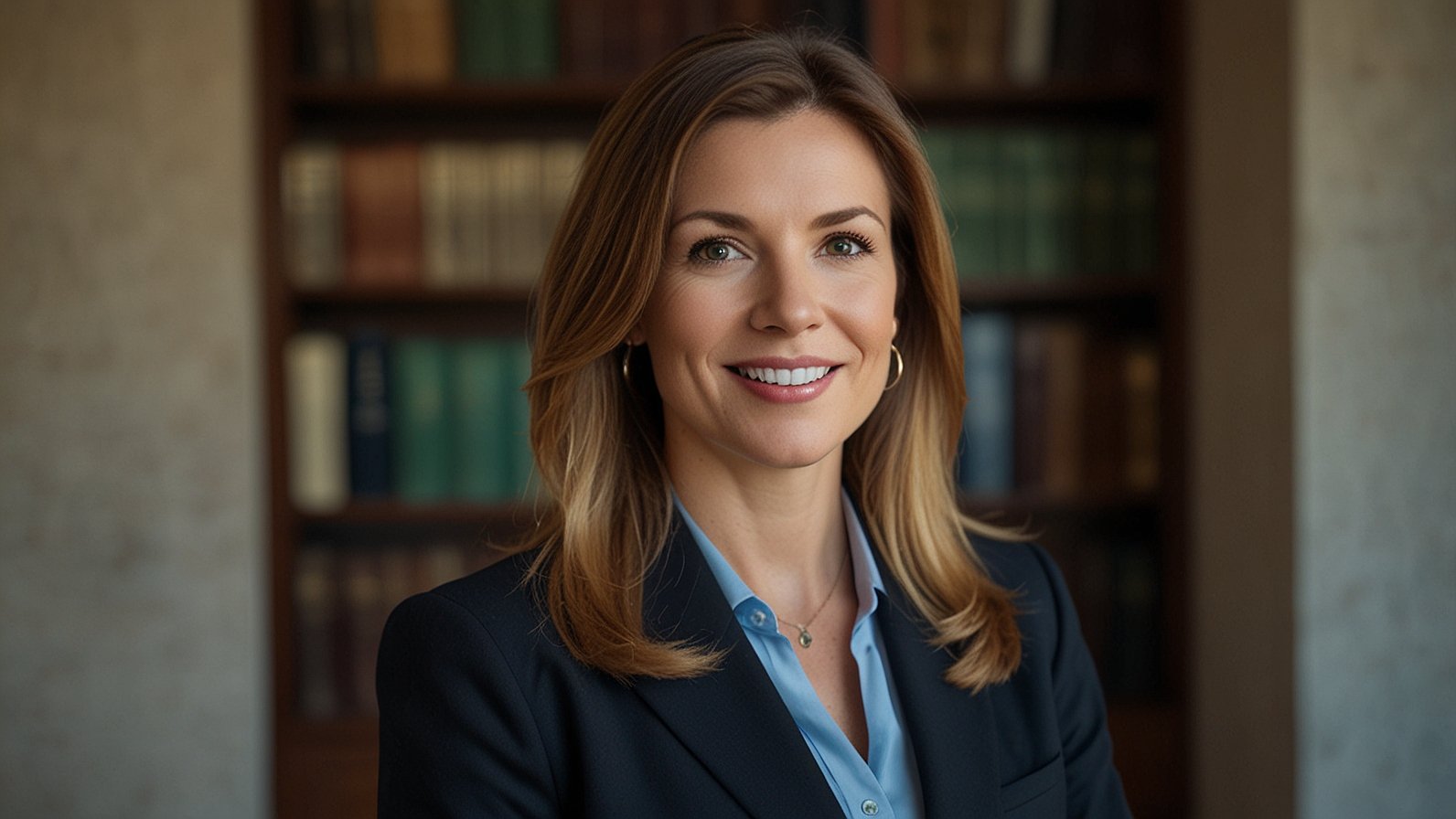

Honestly, I didn’t expect to spend an afternoon immersed in someone’s life story, but once I started looking into shannon reardon swanick, I was genuinely hooked. There’s something about her journey — winding between finance, community empowerment, innovative tech, and mentorship — that feels both nuanced and deeply human.
You might not know this name yet, but by the time you finish reading this, you’ll see why her work is resonating across industries, communities, and even policy circles. And more importantly, you’ll understand how someone can blend analytical rigor with empathy and real social impact in ways that feel rare in 2025.
From Financial Expertise to Social Innovation
Shannon’s professional beginnings weren’t rooted in activism or nonprofit work. In fact, she started in finance — a world driven by metrics, markets, and money. After graduating, she worked as a registered investment adviser and broker at major firms like Bank of America and Wells Fargo, managing portfolios worth millions. Her ability to blend strategic financial insight with a client‑centered, ethical approach earned her a reputation for trustworthiness and depth early on.
But here’s what’s fascinating: that finance background didn’t become an endpoint. It became foundation. Instead of staying in a comfortably high‑paying corporate track — even turning down offers of more than $200,000 from top consultancies — she intentionally chose a different path. She accepted a modest nonprofit role at a small organization in Hartford where she could work closer to community outcomes.
That decision didn’t come from a lack of confidence in her financial skills. It came from a clear vision: to leverage technical expertise for broader human good. And that shift set the tone for everything that followed.
Transforming Civic Engagement With Tech & Purpose
At that Hartford nonprofit, Shannon developed PlanTogether — a digital civic engagement platform that changed how residents participated in local government. Rather than requiring people to attend late‑night council meetings, PlanTogether allowed community members to comment on municipal plans from their phones or laptops at their convenience. It led to a 340% increase in engagement in its first year, proving that thoughtful tech can democratize participation.
This wasn’t a small app with minimal impact. It was a tool that helped reshape how ordinary people — parents, workers, students — could influence the policies shaping their neighborhoods. And it demonstrated early on that Shannon’s work wouldn’t fit neatly into a single box: she was creating dialog between technology, people, and public life.
She also founded the Community Data Initiative (CDI) — a nonprofit focused on helping cities use data ethically to improve services. Projects include real‑time transit feedback systems that cut wait times and predictive maintenance tools for public housing that reduced emergency costs by nearly 45%.
Leadership Philosophy: Empathy Meets Strategy
What makes Shannon distinctive isn’t just what she has done — it’s how she does it.
Her leadership philosophy centers on listening before acting. Instead of imposing solutions from the top down, she begins with community conversations — often in informal settings like “community cafés” where residents and officials brainstorm together. That approach ensures solutions are grounded in real needs, not assumptions.
She also believes in shared ownership. Many of her projects involve collaborative leadership structures that include parents, educators, students, and local businesses. That’s a far cry from the typical command‑and‑control organizational model, and it’s one reason her programs are built to last even when she isn’t directly involved.
And she’s unapologetically data‑driven, tracking outcomes like graduation rates and technology adoption to ensure progress isn’t just anecdotal. But she balances that with empathy and narrative, understanding that numbers without stories lack heart.
Impactful Programs with Real Outcomes
Shannon’s work spans several signature initiatives — each with measurable results that go beyond promise into real social change.
Bright Futures Mentorship Program
This initiative pairs underserved youth with mentors who offer guidance, exposure, and support. The result? A 92% college graduation rate among participants — a dramatic improvement compared to broader averages.
Digital Equity Labs
Addressing the digital divide, these labs connected more than 600 households to technology and digital literacy training, increasing students’ comfort with educational technology by around 40%.
Mentorship Circles
Instead of traditional one‑on‑one mentoring, this model brings small groups of mentees together with experienced leaders — building community, shared learning, and accountability. It boosted academic confidence by about 20% and reduced absenteeism by 15% among participants.
And these are just a few examples. Across initiatives, the emphasis is consistently on building systems that embed resilience, not just temporary fixes.
Advocacy, Policy Influence, and Public Engagement
Shannon’s influence isn’t confined to programmatic work; she also shapes policy conversations.
Using data paired with real stories from families and educators, she successfully advocated for increased education funding in underserved school districts — showing how evidence can humanize policy debates.
She also engages in broader advocacy networks, bringing educators, civic leaders, and policymakers together to share ideas and scale solutions beyond local boundaries.
Her presence on professional networks and speaking platforms helps extend her reach further — raising awareness about civic tech, equity, and leadership beyond the communities she serves directly.
Recognition and Real‑World Acknowledgement
While Shannon downplays accolades, the honors she’s received reflect tangible impact:
- Community Builder Award — recognizing sustained civic engagement leadership.
- Women in Innovation Fellowship — for her efforts advancing equity in tech and leadership.
- Equity Leadership Honors — celebrating her work for inclusion and social justice.
These recognitions are not just trophies on a shelf — they’re evidence that her model of collaborative, data‑informed, empathetic leadership resonates with practitioners and advocates across sectors.
Beyond Work: A Holistic Approach to Life & Leadership
Shannon isn’t all business and programs. Her approach to life includes mindfulness, wellbeing, and personal growth — practices she says help sustain the work and keep her grounded.
She’s spoken publicly about how daily habits — from journaling to mindfulness to regular learning — shape her thinking and resilience. In her own words, “Progress is made not just in boardrooms, but also in our daily choices, our kindness, and how we empower others.”
This blend of introspection and outward focus gives her leadership a rare human depth.
Looking Ahead: The Future of Her Influence
As of 2025, Shannon continues to expand her reach. She’s involved in projects that integrate ethical technology with human values, exploring how AI and automation can enhance human capacity without replacing empathy.
She’s also extending mentorship and leadership development globally, with plans to support emerging leaders in underserved international communities — showing that her vision isn’t confined by geography.
If there’s one takeaway from her story, it’s this: leadership is as much about listening and learning as it is about directing and deciding. •
Why Shannon Reardon Swanick Matters
In a time when leadership often feels disconnected from everyday life, shannon reardon swanick stands out because her work consistently meets people where they are. She brings strategy and heart into conversation with one another — not as opposing forces but as complementary ways of building stronger communities, sustainable systems, and empowered individuals.
And that, truthfully, is rarer than you might think.