


Introduction: The Landscape of Protest
Protests have always been a vibrant part of American life, a way for citizens to voice their opinions and demand change. From the streets of Selma to the recent marches for racial justice, these movements reflect the pulse of the nation. So, what’s going on in the world of protest news in the USA today? Let’s dive in!
Historical Context of Protests in the USA
To understand the current wave of protests, we need to look back at some of the most significant movements that shaped our country.
Key Movements That Shaped America
Civil Rights Movement
The Civil Rights Movement of the 1960s is arguably one of the most pivotal moments in American history. Activists like Martin Luther King Jr. and Rosa Parks challenged racial segregation and discrimination, inspiring generations to fight for equality. Their legacy lives on today, influencing current protests and advocacy.
Anti-Vietnam War Protests
Fast forward to the 1960s and 70s, when the Vietnam War sparked a wave of protests across the nation. Young people rallied against military drafts, highlighting the power of public dissent. These protests not only shaped public opinion about the war but also set the stage for future activism.
Recent Movements: Black Lives Matter
In recent years, the Black Lives Matter movement has taken center stage, highlighting systemic racism and police brutality. The tragic deaths of individuals like George Floyd galvanized millions to take to the streets, making it clear that the fight for racial justice is far from over.
Current Trends in Protest Activity
Today, tnchronicle.com continue to evolve, with new trends shaping how movements are organized and executed.
Types of Protests: From Marches to Sit-Ins
While marches are often the most visible form of protest, they’re not the only method. Sit-ins, online activism, and peaceful demonstrations also play crucial roles. Each type serves a specific purpose, whether it’s to raise awareness or disrupt the status quo.
Impact of Social Media on Protests
In the digital age, social media has transformed how protests are organized and shared. Platforms like Twitter and Instagram allow activists to mobilize supporters quickly and effectively.
Viral Hashtags and Their Power
Hashtags such as #BlackLivesMatter and #MeToo have transcended online spaces, creating global movements. These digital tools empower individuals to connect, share experiences, and promote change. They act as rallying cries, bringing together voices that might otherwise go unheard.
Legal Aspects of Protesting in the USA
Understanding the legal landscape surrounding protests is essential for anyone looking to engage in activism.
First Amendment Rights
The First Amendment of the Constitution guarantees citizens the right to assemble peacefully. This fundamental right is the bedrock of protest movements across the country. However, it comes with its own set of challenges.
Permits and Regulations
Many cities require permits for large gatherings, which can lead to complications. Navigating these legal requirements is crucial for organizers to ensure their events go smoothly and without legal repercussions.
Challenges Faced by Protesters
While protests can be powerful, they also come with significant challenges.
Police Responses and Public Perception
In recent years, police responses to protests have drawn widespread scrutiny. Incidents of violence and aggressive tactics have led to public outcry, raising questions about the balance between maintaining order and protecting citizens’ rights.
Internal Conflicts Within Movements
Not all movements are monolithic; internal disagreements can arise over tactics, goals, and messaging. These conflicts can weaken a movement’s effectiveness or create divisions that hinder progress.
The Future of Protests in the USA
Looking ahead, the future of protests in the USA will likely be shaped by the next generation of activists.
Youth Involvement and Activism
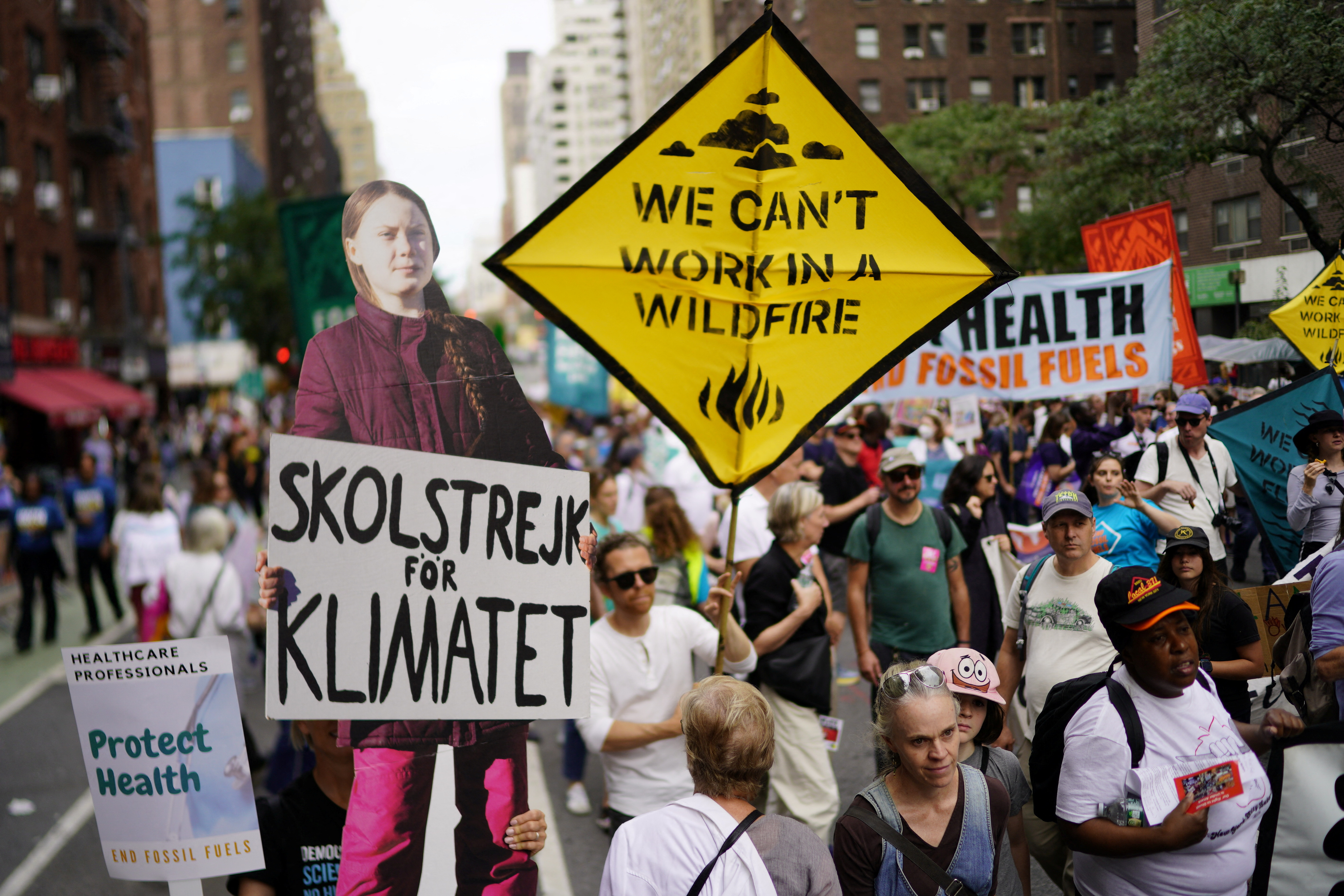
Young people today are increasingly engaged in social issues, from climate change to racial justice. Their passion and drive are reshaping the landscape of activism, bringing fresh ideas and perspectives.
Educational Institutions as Activist Hubs
Schools and universities have become hotbeds for activism, where students gather to discuss issues, organize events, and mobilize their peers. This environment fosters a sense of community and encourages young people to make their voices heard.
Conclusion: The Ongoing Fight for Change
Protests are more than just events; they are a reflection of our society’s values and struggles. As we navigate the complexities of today’s issues, it’s clear that the fight for justice and equality is far from over. The future is in the hands of those willing to stand up, speak out, and demand change.