


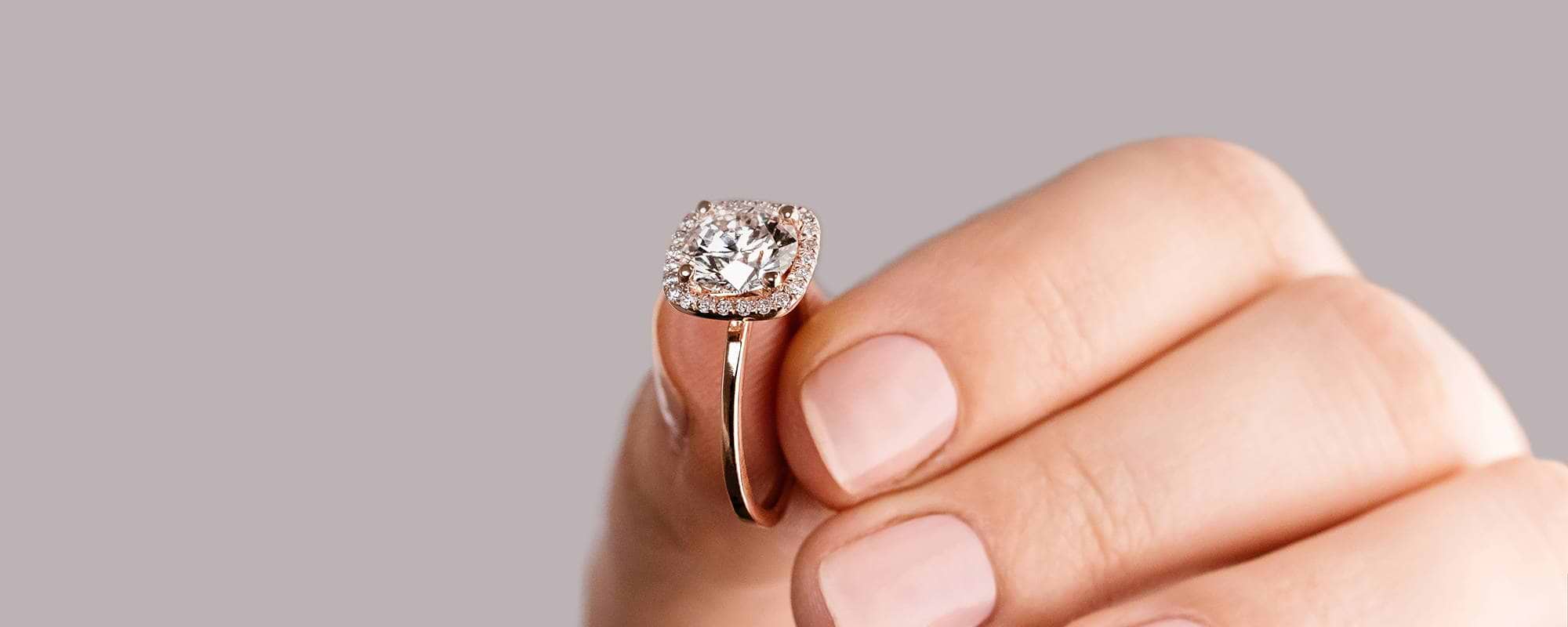
In recent years, lab-created diamonds have emerged as a compelling alternative to natural diamonds. With their ethical sourcing, environmental sustainability, and affordability, these gems have found a growing place in the hearts of consumers. Among them, loose lab-created diamonds—those not yet set in jewelry—offer unmatched flexibility and value for both jewelers and buyers. This article delves into what loose lab-created diamonds are, their benefits, and why they’re becoming the go-to choice for a new generation of shoppers.
What Are Lab-Created Diamonds?
Lab-created diamonds, also known as synthetic or man-made diamonds, are real diamonds produced in a controlled laboratory environment using one of two primary methods: High Pressure High Temperature (HPHT) or Chemical Vapor Deposition (CVD). These techniques replicate the natural process of diamond formation, resulting in stones that are chemically, physically, and optically identical to mined diamonds.
Despite being grown in labs, these diamonds are not imitations or substitutes like cubic zirconia or moissanite—they are genuine diamonds in every measurable way.
What Are Loose Lab-Created Diamonds?
A loose diamond is a diamond that hasn’t been mounted into a jewelry setting. Loose lab-created diamonds offer versatility and transparency, allowing buyers to closely examine the stone’s cut, color, clarity, and carat weight before choosing a setting. Whether designing a custom engagement ring, pendant, or earrings, starting with a loose diamond gives customers more control over their final piece.
Benefits of Loose Lab-Created Diamonds
1. Ethical and Sustainable
One of the most compelling reasons to loose lab created diamonds is their ethical footprint. Unlike mined diamonds, which can be associated with conflict regions and environmental degradation, lab-created diamonds are produced in controlled environments without the exploitation of labor or ecosystems.
2. Cost-Effective
Lab-created diamonds are typically 30–40% less expensive than their natural counterparts of equivalent quality. This price difference allows buyers to invest in a larger or higher-quality stone without exceeding their budget, making luxury more accessible.
3. Customization and Flexibility
Loose diamonds offer greater design flexibility. Buyers can choose the exact diamond they want based on their preferred specifications and then work with a jeweler to create a unique setting. This level of personalization is ideal for special occasions like engagements or anniversaries.
4. Transparency and Certification
Reputable lab-created diamonds come with certification from organizations like the Gemological Institute of America (GIA) or the International Gemological Institute (IGI). This documentation ensures that the buyer knows exactly what they are purchasing and provides peace of mind regarding the stone’s origin and quality.
Things to Consider When Buying
When purchasing a loose lab-created diamond, consider the “Four Cs”:
- Cut: Impacts the diamond’s brilliance.
- Color: The less color, the higher the grade.
- Clarity: Fewer inclusions mean a more flawless appearance.
- Carat Weight: Determines the size and, to some extent, the price.
Additionally, work with a trusted jeweler or certified online retailer who provides comprehensive product information, certificates, and a return policy.
The Future of Diamonds
The growing popularity of loose lab-created diamonds signals a shift in consumer values. As buyers become more conscious of ethical and environmental concerns, man made diamonds, lab-created diamonds represent a responsible and innovative choice. Their beauty, affordability, and ethical advantages are reshaping the jewelry industry.
Final Thoughts
Loose lab-created diamonds offer a fresh, modern approach to fine jewelry. Whether you’re looking for a sparkling centerpiece for a custom engagement ring or simply want to invest in a beautiful, ethical gem, these diamonds deliver on all fronts. With their combination of beauty, value, and conscience, lab-created diamonds are not just an alternative—they’re the future of the diamond industry.