


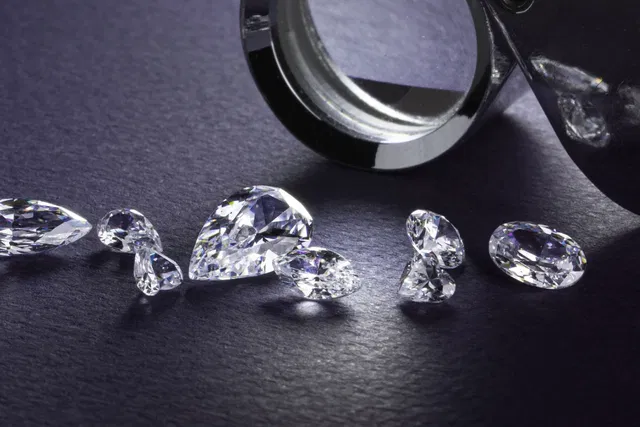
Lately, the diamond world shifted – thanks to labordiamanten alongside synthetic gems made in labs. Luxury feels different now because of them, changing ideas on worth, eco impact, and elegance in jewelry. Not long ago these were just fringe options; today they sit comfortably among top picks for wedding bands, trendy accessories, even assets people collect. What was once rare curiosity is now part of everyday buying decisions.
What Are Labordiamanten?
Out of thin air, lab grown stones appear – crafted in labs instead of pulled from rock. Not dug up, these gems mirror real ones right down to their atomic core. Their sparkle? Just as sharp. Hardness matches perfectly too. Fire leaps off them like sunlight on ice. Identical under light, heat, pressure – they behave exactly alike.
Deep underground, nature makes diamonds over time. People figured out how to copy those conditions in a lab. One way uses extreme pressure and heat together. Another method grows stones from gas inside a chamber. Both take place without mining soil or rock
- High Pressure High Temperature (HPHT)
- Chemical Vapor Deposition (CVD)
One way makes diamonds deep underground, the other builds them in a lab. Neither are fake stones or look-alikes. Their roots set them apart, nothing more.
Lab Grown Diamonds Explained
Lab grown diamonds go by many names – one being labordiamanten – yet they’re known worldwide under this label. Because these stones skip the mining process, people often choose them for greener reasons. Their rise connects closely to shifting values around nature and fairness.
Out in labs, diamonds form without tearing up landscapes like conventional mining often does. Instead of digging massive holes, scientists grow them under controlled settings – this sidesteps issues tied to war-tainted stones and risky work environments common in some mines.
Now more people choose lab grown diamonds because they look good, feel right, stay kind to nature. These stones shine just like mined ones yet skip the harm often tied to digging deep underground. A quiet shift grows – style meets sense in new ways.
Lab Grown vs Natural Diamonds How They Differ
Although lab grown diamonds and natural diamonds are visually identical, there are a few key differences worth noting:
1. Origin
Deep inside Earth, natural diamonds grow slowly across eons thanks to crushing pressure and intense heat. Lab grown diamonds appear fast – just weeks – inside controlled lab environments where science shapes their birth.
2. Price
Laboratory-created diamonds usually cost noticeably less – anywhere from three tenths to seven tenths below natural ones that match in quality. Because of this gap, shoppers often find room to go bigger or pick a finer stone without stretching their spending limit.
3. Environmental Impact
Deep inside the earth, real diamonds form over billions of years while mining them tears up vast stretches of soil. In contrast, man-made stones take weeks to grow using controlled technology instead of digging through rock layers. The ground gets scarred when companies dig deep pits looking for gems underground. Meanwhile, factories create flawless crystals in closed systems without moving mountains. Trees fall, rivers shift, animals lose homes – all part of traditional diamond hunting. On the flip side, synthetic versions need only electricity and raw materials delivered by truck. Digging mines releases trapped gases stored beneath untouched terrain. But lab setups recycle air and water more easily than open quarries ever could.
4. Ethical Considerations
Starting with peace of mind, lab made stones skip the battlefield entirely. These gems appeal straight away to shoppers who care where things come from. Instead of digging deep underground, they form under controlled settings – calm, clear, no bloodshed involved.
Labor Diamonds Rising in Use
More people want labordiamanten because of a few key reasons
Sustainability Awareness
These days people care more about the planet they live on. Picking diamonds made in labs fits right into that mindset – less harm, fewer resources used. What matters now is how choices affect nature. Lab created stones offer a way to own something valuable without digging deep into the earth.
Affordability
Because they cost less to make, lab grown diamonds give more for what you spend. A shopper might pick a bigger stone or one that sparkles cleaner – all while staying within limits. Instead of stretching funds, choices open up naturally when prices drop.
Technological Advancements
A new way of growing diamonds means fake ones look just like real, even when experts check closely. Tiny differences vanish beneath trained eyes and tools meant to spot them.
Changing Consumer Preferences
What matters most to younger buyers, like Millennials and Gen Z, is where things come from. Labordiamanten line up with those concerns by showing clear origins. Value isn’t just price – it’s part of their choice too. These groups look closely at how goods are made. Honesty in process weighs heavy on decisions. The way labordiamanten operate fits right into that mindset.
Lab Grown Diamonds Are Real Diamonds?
Real diamonds? Lab grown ones count. Same carbon makeup, just made differently underground versus above ground. Grading checks every bit – how it’s cut, clearness, shade, size by carats. Experts at gem labs give them full marks as genuine stones. One thing sets them apart only: where they come from.
The Future of Diamonds
Out of nowhere, labordiamanten began appearing alongside mined stones, shifting how people see value. Where once only earth-extracted gems mattered, factories now grow crystals indistinguishable to most eyes. Big names in jewelry quietly add these alternatives, not replacing but sitting beside classics on display trays. Pressure builds on old-school miners as customers question why origin should dictate worth. Change creeps in not with a shout, but through small choices at checkout counters worldwide.
One step ahead, lab created stones look set to take up more space in jewelry shops as gadgets get smarter and shoppers wake up to new options. Beauty meets conscience here, tied neatly with lower prices – fitting how people think today.
Conclusion
Out of labs come sparkles just like Earth-made ones, only quicker. Not dug up but built atom by atom under controlled roofs. These stones shine identical to mined gems – hardness included. Cost less because they skip the deep digging and long supply trails. Fewer carbon tracks mark their path into rings and necklaces. Ethically smoother too, since no conflict zones touch their making. Perception shifts as more see them not as fakes – but different origins.
One choice stands out now when picking a stone for love, celebration, or everyday elegance – lab made diamonds show how new methods fit neatly beside long held customs. With change moving through jewelry design, these creations of science are quietly becoming what shapes tomorrow.