
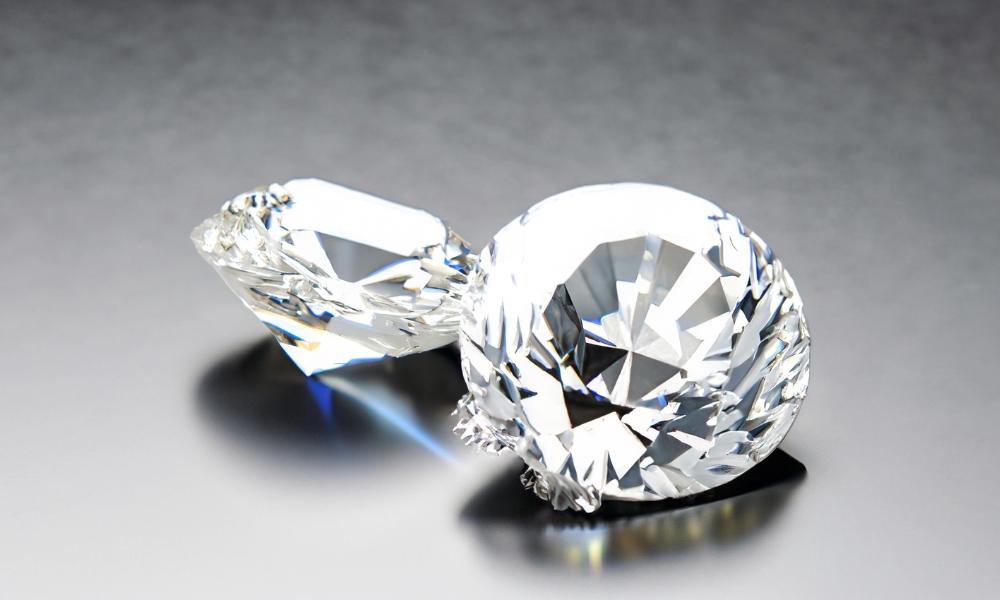
Lab-Grown Diamonds vs Lab-Made Diamonds: A Comprehensive Comparison
When discussing diamonds produced in a laboratory setting, you might come across the terms “lab-grown diamonds” and “lab made diamonds.” While these terms are often used interchangeably, they generally refer to the same concept—diamonds created using advanced technological methods rather than natural geological processes. This article will clarify these terms and explore the differences and similarities between lab-grown and lab-made diamonds.
Understanding Lab-Grown and Lab-Made Diamonds
Lab grown diamonds, also known as synthetic or cultured diamonds, are created in controlled laboratory environments using methods that replicate the natural conditions under which diamonds form. These diamonds are chemically, physically, and optically identical to natural diamonds. The terms “lab-grown” and “lab-made” refer to the same product, but they emphasize different aspects of the diamond creation process.
Creation Processes
Lab-grown diamonds are produced using two primary methods:
- High-Pressure High-Temperature (HPHT) Method: This method simulates the extreme pressure and temperature conditions found in the Earth’s mantle, where natural diamonds form. HPHT involves placing carbon in a chamber where it is subjected to high pressure and temperature to crystallize into diamond.
- Chemical Vapor Deposition (CVD) Method: This method involves creating a diamond from a carbon-rich gas mixture. The gas is ionized, causing carbon atoms to deposit onto a substrate and gradually build up into a diamond crystal. CVD diamonds are known for their high purity and can be produced with fewer inclusions compared to HPHT diamonds.
Characteristics and Quality
Lab-grown diamonds are virtually identical to natural diamonds in terms of their chemical composition and physical properties. They exhibit the same brilliance, fire, and hardness, making them a high-quality alternative to natural diamonds. Lab-grown diamonds can be cut into various shapes and sizes and can achieve clarity and color grades that match or exceed those of natural diamonds.
Cost and Value
One of the primary advantages of lab-grown diamonds is their cost. They are generally more affordable than natural diamonds due to the controlled production environment and the lack of mining-related expenses. Lab-grown diamonds offer significant savings, but their resale value may not be as high as that of natural diamonds. While lab-grown diamonds represent excellent value for money, they might not hold the same long-term value in the market.
Ethical and Environmental Considerations
Lab-grown diamonds are considered a more ethical and environmentally friendly choice compared to natural diamonds. Their production avoids the issues associated with traditional diamond mining, such as conflict diamonds and exploitative labor practices. Additionally, lab-grown diamonds have a lower environmental impact because they do not involve large-scale excavation or disruption of ecosystems.
Market Perception and Prestige
Lab-grown diamonds are becoming increasingly popular and are recognized for their technological innovation and ethical benefits. However, they may not yet have the same level of prestige as natural diamonds, which are associated with rarity and tradition. Natural diamonds have long been considered symbols of luxury and status, partly due to their unique natural origins and the historical significance of diamond mining.
Conclusion
In summary, “lab-grown diamonds” and “lab-made diamonds” refer to the same type of diamond—one created in a laboratory using advanced technological methods. These diamonds are chemically and physically identical to natural diamonds, offering high quality and ethical advantages. While lab-grown diamonds are more affordable and environmentally friendly, natural diamonds are valued for their rarity and traditional prestige. Choosing between lab-grown and natural diamonds depends on individual preferences, budget, and values.
Popular Posts
 Everyday Outfit Inspiration: Simple Style Ideas That Always Work
 Chisaisangue: Meaning, Origins, Cultural Context, and Modern Interpretations
 Who Is Ubyhojytera Opponent? Full Explanation & Truth Revealed
 Can vallpo523.zvc5.0o Improve Your Skin or Cause Damage
 Finding Out 30.6df496–j261x5 in Cooking: A Curious Kitchen Discovery
 Beyond Beauty: How Cosmetic Surgery Boosts Confidence and Self-Esteem
 Facing Charges in LA? What a Los Angeles Criminal Lawyer Can (and Can’t) Do for You
- The Timeless Beauty of Toi et Moi Ring NZ with Lab Diamonds
 The Charm of Gota Patti Work on Lehenga Sets for Girls
Prince Andrew: The Latest Developments and Controversies
Recent Posts
 Lab Grown Diamonds London How to Choose the Right Stone
  Toi et Moi Ring A Romantic Design That Never Goes Out of Style
 How to Style Jewelry with Everyday Outfits: A Complete Guide to Effortless Elegance
 Lab Grown Diamond Earrings: A Smart, Stylish, and Sustainable Choice
 Budget-Friendly Pearl Sets: How to Find Real Quality Under 100 Euro
 Lab Grown Diamond Bracelets: Sustainable Luxury and Sparkle in Spain
 14K Gold Art Deco Cufflinks with Diamonds and Sapphires: Vintage 1920s Jewelry Guide
 Engagement Rings in Brisbane: A Thoughtful Guide for Modern Couples
- Best Practices for Implementing a Knowledge Management System in Your Organization
 Effortless Elegance: Sparkling Earrings Styling Hacks for Every Season!
Must Read
 Why Maternity Tops Ride Up (And What Actually Fixes It)
 What to Look for Before You Buy Cotton Fabric in Bulk
 Shopping for Plus Size Wedding Dresses: Top Styles for Your Big Day
 Ethical swimwear brands to watch: why Festa Foresta stands out
 Women Pajamas: Combining Comfort and Style
 Redefining Sensuality: The Intriguing Allure of Pink Camo Lingerie
 Prom Dresses for the Perfect Evening | Amarra
 All About Raw Looks – Their Designers and Trends in the Fashion Industry
 Different Type Of Fabrics Available For Your Dress Making
 How To Choose The Perfect Tie For Men