


Introduction
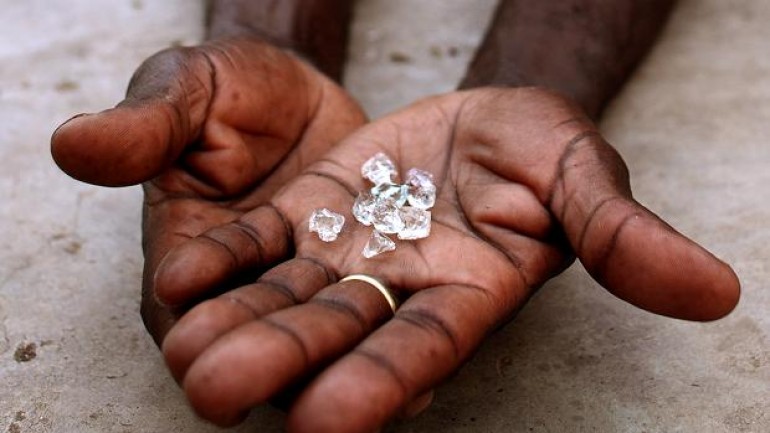
Blood diamonds, also known as conflict diamonds, are stones mined in war zones and sold to finance armed conflicts against governments. This article explores their origins, impact, and ongoing global efforts to curb their trade.
Origins of Blood Diamonds
Blood diamonds have a dark history rooted in regions torn by civil wars and insurgencies what are blood diamonds. Initially discovered in the late 20th century, their extraction often involves exploitative practices.
Countries Involved
Primarily sourced from countries like Sierra Leone, Angola, and the Democratic Republic of Congo, blood diamonds have fueled prolonged conflicts, leading to immense human suffering.
Ethical Issues and Human Rights Violations
The trade in blood diamonds is notorious for human rights abuses, including forced labor and funding of armed groups, highlighting severe ethical concerns.
Consumer Awareness and Responsibility
Consumers can make a difference by demanding transparency and supporting ethically sourced diamonds, thus promoting responsible mining practices.
Diamond Industry Reforms
The diamond industry has evolved with increased scrutiny and regulations, aiming for a more sustainable and ethical framework in diamond production.
The Dark Truth Behind Blood Diamonds
Blood diamonds, also known as conflict diamonds, are gems that have been mined in war zones, often under conditions of forced labor and human rights abuses. These diamonds have a controversial history, impacting not only the lives of those involved in their extraction but also global trade and ethical standards. In this article, we delve deep into what blood diamonds truly are, their historical context, their characteristics, the devastating impact they have on societies, and the ongoing efforts to combat their trade and promote ethical practices in the diamond industry.
Conclusion
In conclusion, the issue of blood diamonds highlights the complex interplay between economic interests, human rights, and environmental sustainability. While progress has been made in reducing the trade of conflict diamonds through initiatives like the Kimberley Process and responsible mining practices, challenges remain in ensuring transparency and accountability across the diamond supply chain. As consumers become more informed and demand ethical standards, the diamond industry faces pressure to embrace sustainable practices that benefit both people and