


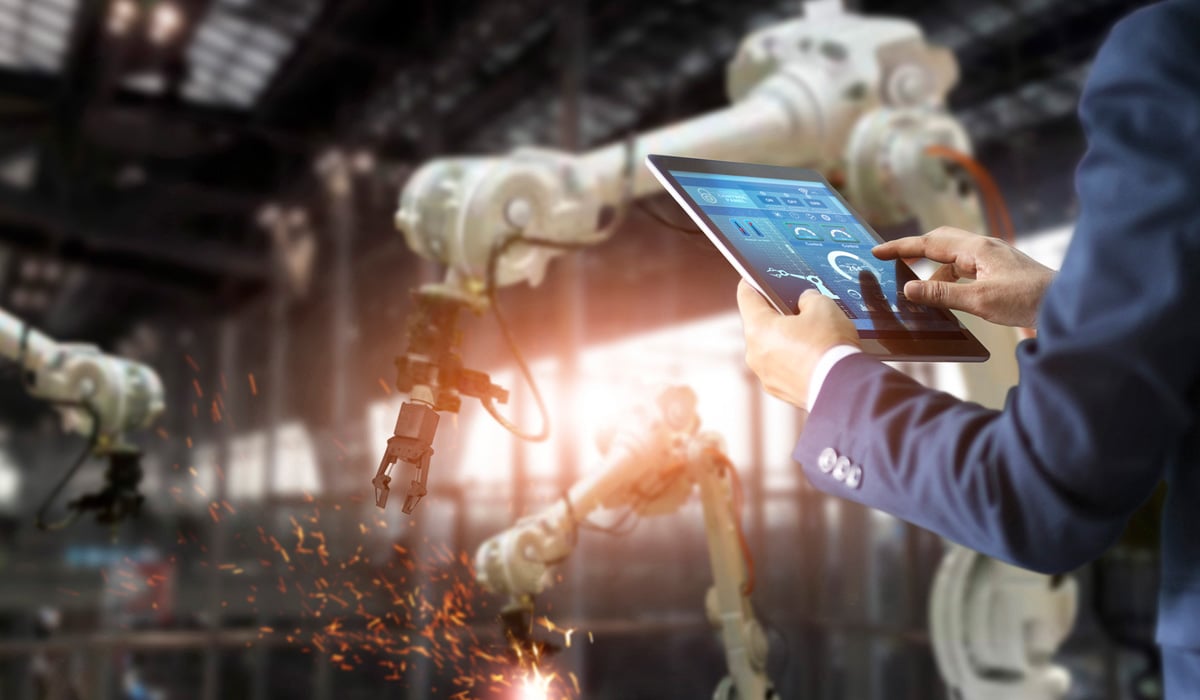
In today’s rapidly evolving technological landscape, new ideas, frameworks, and digital concepts constantly emerge. These concepts often represent shifts in how humans interact with technology, data, and systems. One such emerging idea is Gicozijerzu. Although the term may not yet appear in traditional dictionaries or academic textbooks, it has gained attention in online discussions and technology-focused communities.
Gicozijerzu represents a modern way of thinking about complex systems, combining innovation, adaptability, and intelligent design. It is often described as a conceptual framework that blends technology, creativity, and data-driven decision-making to create smarter and more efficient systems.
This article explores the meaning of Gicozijerzu, its origins, principles, applications, benefits, challenges, and future potential.
What Is Gicozijerzu?
At its core, Gicozijerzu refers to a flexible framework for approaching complex systems with clarity, adaptability, and strategic thinking. Rather than being a single technology or software platform, it is more accurately described as a mindset and methodology used to design and manage intelligent systems.
The concept emphasizes the integration of several key elements:
- Data analysis
- Automation
- Artificial intelligence
- Human-centered design
- Adaptive decision-making
Together, these elements help organizations and individuals manage complicated processes in a more structured yet flexible way.
In simple terms, Gicozijerzu can be understood as a philosophy of intelligent innovation—a method for creating systems that are not only efficient but also capable of evolving as conditions change.
Origins of the Gicozijerzu Concept
Unlike many established technical frameworks, Gicozijerzu does not originate from a single scientific discipline or cultural background. Instead, it appears to be a modern coined term that developed through discussions in digital innovation communities and technology forums.
Over time, the term began to represent ideas related to:
- Smart automation
- Data-driven systems
- Artificial intelligence integration
- Adaptive system design
Researchers and technology enthusiasts began using the concept to describe how different technologies can work together to produce intelligent, responsive environments.
Although still evolving, Gicozijerzu has gradually gained recognition as a way to describe the next generation of interconnected digital ecosystems.
Core Principles of Gicozijerzu
To understand the concept fully, it is important to examine the core principles that define it. These principles guide how systems built under the Gicozijerzu philosophy operate.
1. Intelligent Data Utilization
One of the most important aspects of Gicozijerzu is its reliance on real-time data analysis. Systems designed using this concept collect, process, and interpret data continuously to make informed decisions.
Advanced algorithms analyze patterns and trends, allowing systems to predict outcomes and optimize performance.
2. Adaptive Automation
Traditional automation follows fixed instructions. In contrast, Gicozijerzu emphasizes adaptive automation, where systems adjust their behavior based on new information and environmental changes.
This type of automation reduces human workload while improving efficiency and accuracy.
3. Human-Centered Design
Despite its strong focus on technology, Gicozijerzu places significant importance on user experience and accessibility. Systems must remain intuitive, interactive, and beneficial to users rather than overly complex.
4. Continuous Learning and Evolution
Another core principle is the ability to learn and evolve over time. Machine learning models and intelligent algorithms enable systems to improve continuously as they process more data.
5. Balance Between Innovation and Stability
Gicozijerzu encourages balanced progress. Instead of prioritizing speed or innovation alone, it emphasizes thoughtful development that considers long-term sustainability and reliability.
Applications of Gicozijerzu
Because Gicozijerzu is a flexible framework, it can be applied across multiple industries. Its principles are particularly valuable in environments that involve complex data and dynamic systems.
1. Smart Home Technology
Modern smart homes rely on interconnected devices such as thermostats, lighting systems, and security cameras. Using Gicozijerzu principles, these systems can learn user behavior patterns and automatically adjust settings for comfort, energy efficiency, and security.
2. Artificial Intelligence and Machine Learning
AI systems benefit greatly from the Gicozijerzu approach. Intelligent algorithms analyze massive datasets, adapt to new inputs, and improve decision-making over time.
Applications include:
- Predictive analytics
- Automated customer service
- Data-driven business insights
3. Healthcare Systems
Healthcare institutions are increasingly adopting intelligent technologies to improve diagnosis, treatment, and patient monitoring.
Systems inspired by Gicozijerzu can:
- Analyze patient data in real time
- Detect early signs of disease
- Recommend personalized treatment plans
These capabilities help doctors make more accurate decisions while reducing medical errors.
4. Business Process Automation
Businesses use Gicozijerzu-inspired systems to optimize workflows and automate repetitive tasks. This includes:
- Inventory management
- Financial analytics
- Customer relationship management
By automating routine processes, organizations can focus more on strategic decision-making and innovation.
5. Education Technology
Adaptive learning platforms can personalize educational content for students based on their performance and learning patterns.
Such systems adjust lessons dynamically, ensuring that each learner progresses at an appropriate pace.
Benefits of Gicozijerzu
The growing interest in Gicozijerzu stems from several potential benefits.
Improved Efficiency
Automated processes reduce manual work and minimize human errors.
Better Decision-Making
Data-driven insights allow organizations to make informed choices quickly and accurately.
Increased Innovation
By combining creativity with advanced technology, Gicozijerzu encourages innovative solutions to complex problems.
Scalability
Systems designed with this concept can expand easily as new technologies and data sources become available.
Long-Term Sustainability
Because adaptability is built into the framework, Gicozijerzu systems remain relevant even as environments and technologies evolve.
Challenges and Misconceptions
Despite its advantages, the concept of Gicozijerzu also faces several challenges.
Lack of Clear Definition
Since it is still an emerging idea, different experts interpret the concept in slightly different ways. This can lead to confusion about its exact meaning.
Implementation Complexity
Designing adaptive systems requires advanced technical expertise, including knowledge of artificial intelligence, data science, and systems engineering.
Ethical Considerations
As systems become more intelligent and autonomous, issues related to privacy, security, and ethical decision-making become increasingly important.
The Future of Gicozijerzu
As technology continues to evolve, the relevance of concepts like Gicozijerzu is likely to grow. Several trends support its future development:
- Expansion of artificial intelligence
- Growth of the Internet of Things (IoT)
- Increasing reliance on data-driven decision-making
- Demand for smarter automation systems
In the coming years, Gicozijerzu may become a recognized framework used by engineers, businesses, and researchers to design intelligent digital ecosystems.
Conclusion
Gicozijerzu represents a fascinating and emerging concept that combines technology, strategy, and creativity. Rather than being a single tool or product, it serves as a holistic framework for building intelligent, adaptive systems.
By emphasizing data analysis, automation, human-centered design, and continuous learning, the concept provides a blueprint for managing complexity in the modern digital world.
Although still developing, Gicozijerzu reflects a broader shift toward smarter technologies and interconnected systems. As industries continue to embrace innovation, the principles behind this concept may play an important role in shaping the future of technology, business, and everyday life.