

About puwipghooz8.9 edge: Understanding the System Behind the Scenes
If you’ve stumbled across the keyword about puwipghooz8.9 edge, you’re probably doing one of two things. Either you’re deep into a specific tech requirement and trying to solve a very real problem, or you’re scratching your head thinking, “Why does this sound important, and why can’t I find a straight answer?”
You’re not alone. I was in the same boat not too long ago.
I remember the first time I came across it. No flashy explanation. No neat landing page spelling it out. Just the term — about puwipghooz8.9 edge — quietly sitting in documentation, mentioned in passing, like everyone else already knew what it meant. That’s usually a sign that something is either brand new, very niche, or quietly powerful.
Turns out, it’s a bit of all three.
What puwipghooz8.9 edge actually refers to (in plain English)
Let’s strip away the jargon for a second.
At its core, puwipghooz8.9 edge isn’t a consumer-facing product. It’s not something you download casually or show off to friends. It sits closer to the “infrastructure” side of things — the kind of layer that quietly makes systems faster, more stable, and frankly, less annoying to deal with.
Think of it like the difference between driving a car and understanding what makes the engine run smoothly. Most people never need to know. But when something goes wrong, suddenly that hidden layer matters a lot.
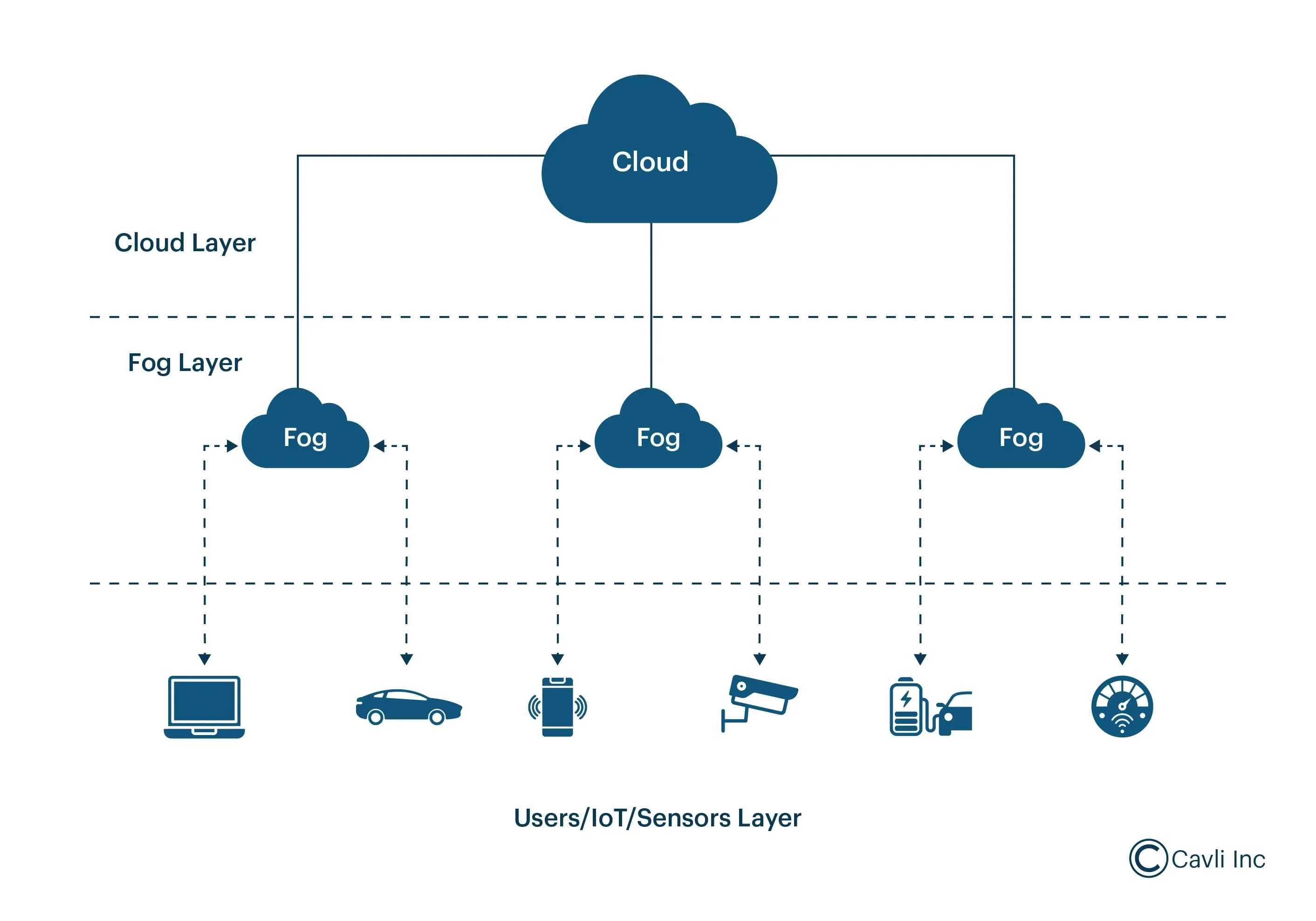
What makes puwipghooz8.9 edge interesting is how it handles edge-level processing. Instead of pushing everything back to a central system, it processes tasks closer to where the data is generated. That small shift changes performance in noticeable ways — lower latency, quicker responses, and fewer bottlenecks.
Honestly, the first time I saw it in action, I didn’t expect much. But the difference was obvious. Pages loaded faster. Systems felt less “fragile.” Things just… flowed.
Why the “8.9” part matters more than you’d think
You might be tempted to gloss over the version number, but don’t.
The 8.9 iteration is where a lot of the quiet improvements live. Earlier versions were functional, sure, but they demanded more manual tweaking. You had to babysit configurations. Updates felt risky. And compatibility? Let’s just say it wasn’t always friendly.
With puwipghooz8.9 edge, the experience feels more mature. Stability is better. Error handling is less dramatic. You don’t get that sinking feeling every time you push a change live.
You might not know this, but many edge-related failures don’t come from big mistakes — they come from tiny misalignments that compound over time. Version 8.9 does a much better job of smoothing those out before they turn into actual problems.
Where puwipghooz8.9 edge fits in real-world use
This is where things get practical.
In real deployments — especially across distributed systems — latency and reliability aren’t “nice-to-haves.” They’re deal-breakers. Whether you’re dealing with data streams, automated workflows, or user-facing platforms that need to respond instantly, edge-level optimisation changes the game.
I’ve seen teams try to brute-force performance by throwing more resources at a central server. It works… until it doesn’t. Costs go up. Complexity increases. And suddenly you’re managing problems instead of building solutions.
That’s where about puwipghooz8.9 edge becomes more than a keyword. It becomes a design decision.
By pushing intelligence closer to the edge, systems become more resilient. When something hiccups upstream, everything doesn’t grind to a halt. There’s a sense of independence baked into the architecture.
And yes, that peace of mind is underrated.
The learning curve (and why it’s not as scary as it sounds)
Let’s be honest — new frameworks and systems often come with a learning curve that feels steeper than it really is. puwipghooz8.9 edge is no exception.
The terminology can feel dense at first. Some of the documentation assumes prior knowledge. And yes, there will be moments where you pause, re-read a sentence, and think, “Wait… what?”
That’s normal.
What helps is approaching it incrementally. You don’t need to master everything at once. Start with how it handles routing. Then look at processing logic. Then explore optimisation options.
Once the pieces click, the system feels surprisingly intuitive. I was genuinely surprised by how logical it became after a few hands-on sessions. That’s usually a good sign — when complexity reveals structure instead of chaos.
Common misconceptions around puwipghooz8.9 edge
There are a few myths floating around that deserve clearing up.
First, it’s not “overkill” by default. People often assume edge solutions are only for massive enterprises. Not true. Even mid-sized deployments benefit when performance consistency matters.
Second, it doesn’t replace everything else. It complements existing systems. Think of it as strengthening weak links rather than tearing down the whole chain.
Third — and this one matters — it’s not set-and-forget. Like any powerful tool, it rewards attention. Monitoring, updates, and thoughtful configuration make all the difference.
Skipping that part is how people end up saying, “It didn’t work for us,” when in reality, it just wasn’t implemented properly.
Natural integration and practical resources
When teams start researching about puwipghooz8.9 edge, they often look for practical references — not marketing fluff, but grounded explanations that show how things behave in real environments.
In that process, it helps to review well-documented technical breakdowns and implementation notes from trusted resources. One particularly useful reference I came across while digging deeper into edge-level frameworks was this resource, which helped clarify several deployment scenarios without overselling the technology.
It wasn’t trying to convince anyone — just explaining things clearly. And honestly, that’s what most of us want when we’re knee-deep in system planning.
Why this matters more going forward
Here’s the bigger picture.
Systems aren’t getting simpler. Data isn’t slowing down. Users aren’t becoming more patient. If anything, expectations are rising quietly but relentlessly.
Edge-focused solutions like puwipghooz8.9 edge aren’t trends — they’re responses to reality.
When everything needs to feel instant, reliable, and invisible, architecture choices start shaping user trust. People might not know why something feels smooth, but they absolutely notice when it doesn’t.
That’s what makes this topic worth understanding, even if it feels niche right now.
A final thought, from one human to another
If you’re researching about puwipghooz8.9 edge, you’re probably not doing it casually. You’re trying to solve something real. Maybe performance issues. Maybe scalability concerns. Maybe future-proofing a system that matters to your team or clients.
Take your time with it. Test things. Break small parts before trusting big ones. And don’t be discouraged if it doesn’t all make sense immediately.
Honestly, the best systems are rarely understood in one sitting. They reveal themselves as you work with them.
And when they finally click? That quiet moment when everything runs smoothly — that’s the payoff.
Popular Posts
 Everyday Outfit Inspiration: Simple Style Ideas That Always Work
 Chisaisangue: Meaning, Origins, Cultural Context, and Modern Interpretations
 Who Is Ubyhojytera Opponent? Full Explanation & Truth Revealed
 Can vallpo523.zvc5.0o Improve Your Skin or Cause Damage
 Finding Out 30.6df496–j261x5 in Cooking: A Curious Kitchen Discovery
 Beyond Beauty: How Cosmetic Surgery Boosts Confidence and Self-Esteem
 Facing Charges in LA? What a Los Angeles Criminal Lawyer Can (and Can’t) Do for You
- The Timeless Beauty of Toi et Moi Ring NZ with Lab Diamonds
 The Charm of Gota Patti Work on Lehenga Sets for Girls
Prince Andrew: The Latest Developments and Controversies
Recent Posts
 Lab-Grown Diamond Wedding Bands: Design and Fit
 Lab Grown Diamonds London How to Choose the Right Stone
 Toi et Moi Ring A Romantic Design That Never Goes Out of Style
 How to Style Jewelry with Everyday Outfits: A Complete Guide to Effortless Elegance
 Lab Grown Diamond Earrings: A Smart, Stylish, and Sustainable Choice
 Budget-Friendly Pearl Sets: How to Find Real Quality Under 100 Euro
 Lab Grown Diamond Bracelets: Sustainable Luxury and Sparkle in Spain
 14K Gold Art Deco Cufflinks with Diamonds and Sapphires: Vintage 1920s Jewelry Guide
 Engagement Rings in Brisbane: A Thoughtful Guide for Modern Couples
- Best Practices for Implementing a Knowledge Management System in Your Organization
Must Read
 Why Maternity Tops Ride Up (And What Actually Fixes It)
 What to Look for Before You Buy Cotton Fabric in Bulk
 Shopping for Plus Size Wedding Dresses: Top Styles for Your Big Day
 Ethical swimwear brands to watch: why Festa Foresta stands out
 Women Pajamas: Combining Comfort and Style
 Redefining Sensuality: The Intriguing Allure of Pink Camo Lingerie
 Prom Dresses for the Perfect Evening | Amarra
 All About Raw Looks – Their Designers and Trends in the Fashion Industry
 Different Type Of Fabrics Available For Your Dress Making
 How To Choose The Perfect Tie For Men